Role of education in moving towards a more sustainable future
What is the issue?
Excessive and irresponsible consumer consumption over the last few decades can be considered as one of the main drivers of global warming. The unethical and unsustainable practices of overconsumption have led to environmental pollution and destruction of natural resources. The fashion industry has been criticised for promoting fast consumption of clothing and accessories to further their interests. The resources needed to produce one kilogram of cotton include 7000 to 29,000 litres of water and about 1 kilogram of oil, but the average consumer is generally oblivious of these figures when discarding a garment made with cotton just because the style has become outdated.
Some of the large clothing MNC’s produce more than half a billion garments per year and about 14.3 million tons of textile/garments were sent to landfills in one year in the US alone. A significantly large number of garments that do not sell at retail stores are sent to second hand shops, where only 20 to 30 percent of the clothing are resold. The US EPA estimates that an average person throws away 70lb of clothing every year and the incineration of synthetic textile fibres led to 1.1 million metric tons of carbon dioxide equivalent emission.
What do we propose?
Academic institutions are capable of bringing about a change in the thinking of students towards mindful consumption and creative reuse of existing materials. They can provide a platform for creating awareness about the unsustainable consumption patterns in the world by putting to creative use the trash generated in the university premises. It is important to emphasise on the fact that sustainability is not just trendy but also a forward thinking message that will help in organisational brand building.
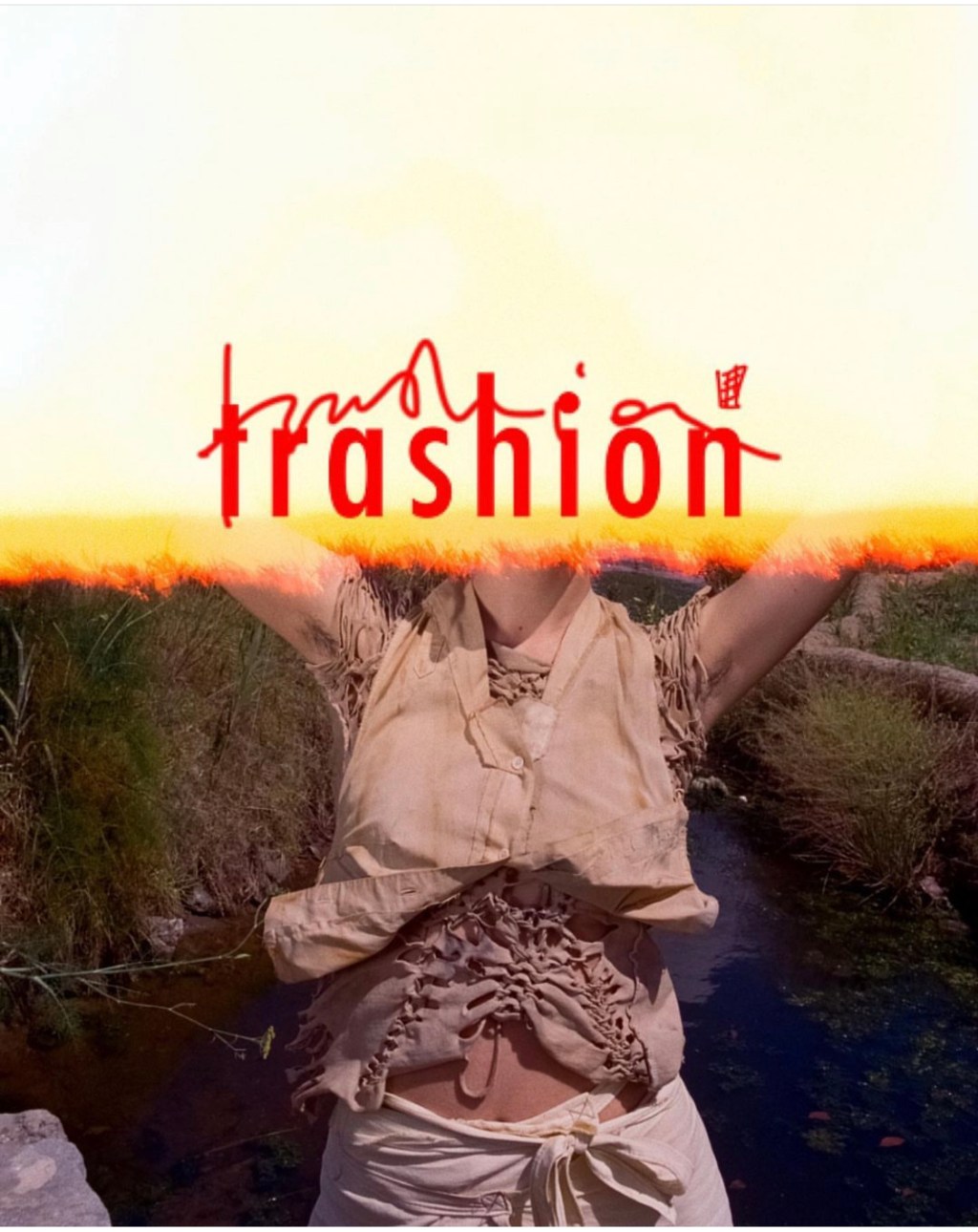
The campus trash can be used by design students to create displays for the fashion studio. As these displays need to be changed frequently, it cuts down significant costs for the university in buying new materials. Periodic competitions, fashion shows and workshops can be conducted for creating and displaying trash into usable fashion materials that can be retailed at the university premises.
Benefits:
- There are lot of apparel manufacturing companies and fashion designers in the UAE. The fashion department can tie up with garment factories/designers in order to use their fabric offcuts to produce garments, which in turn could be auctioned after the fashion show.
- These fabric trims and offcuts could also be repurposed to create clothing for the labours in UAE. This helps in ensuring that the use of textile is not linear but forms a part of the circular economy.
- It saves considerable cost for the university as the students get the materials for the day to day running of the fashion department for free.
Full blog at https://www.mywestford.com/blog/trashion-converting-trash-into-fashion/
Image credit: Google Images



 The Green Classroom
Leave a comment